Installing solar panels is a decision that pays for itself over years, so it’s worth going into the conversation with the installer well prepared. This is a checklist of what to look at beforehand and what to ask along the way. It’s written with Spain in mind.
1. Know your real consumption
The size of the installation depends on how much electricity you use and when you use it. Before asking for a quote:
- Gather your electricity bills for a full year and note each month’s consumption in kWh, not in euros.
- Check whether you use more power by day or by night: panels produce during the day, and the energy you use as it’s produced is what saves you the most.
- On your distribution company’s website, or on Datadis, the shared platform of Spanish distributors, you can download your hour-by-hour consumption.
A serious installer will ask you about this. If they don’t, that’s a first warning sign.
2. The roof: orientation, shade and condition
- Orientation: south-facing is ideal; east and west also work, with lower output.
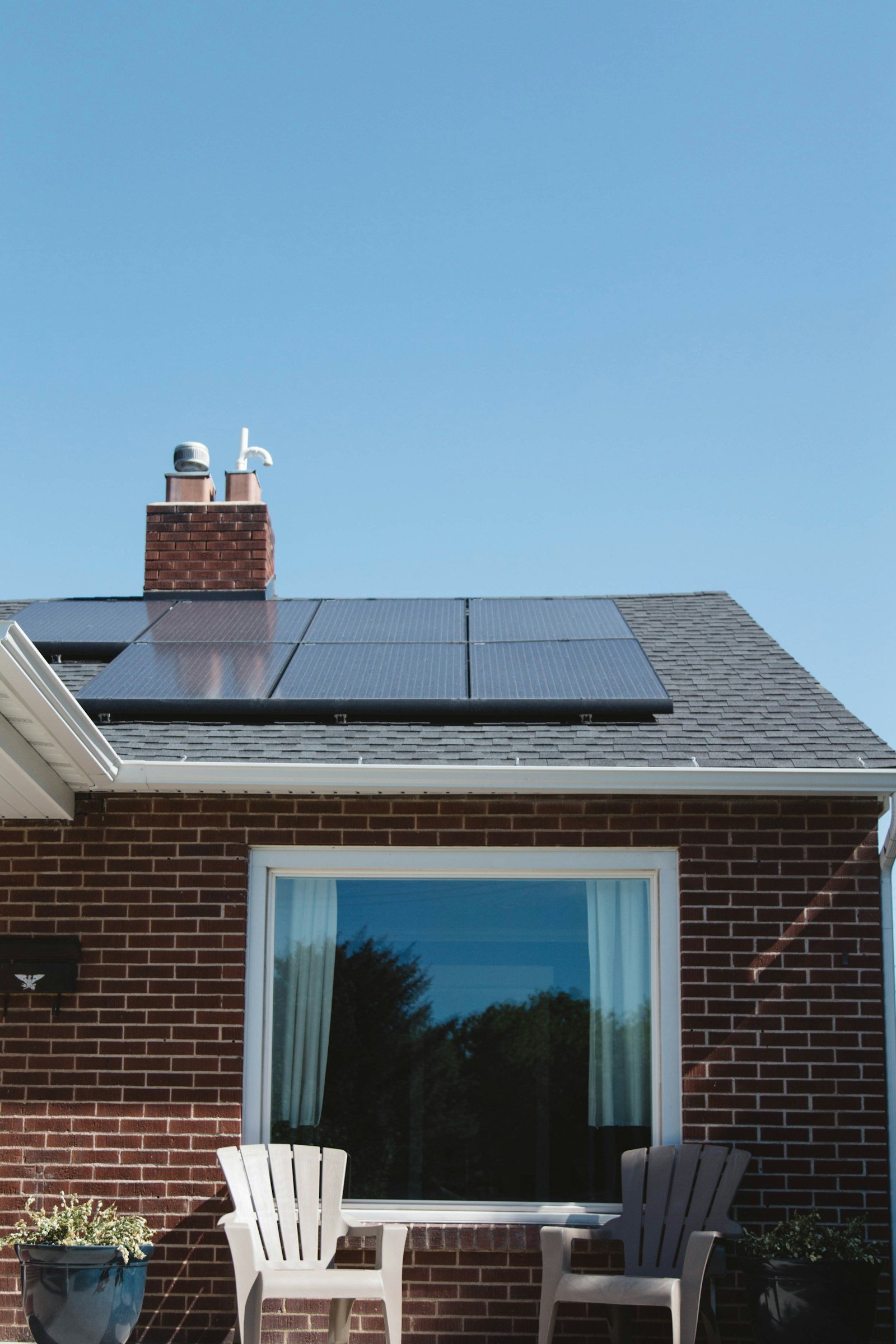
- Shade: trees, chimneys or neighbouring houses can cut output far more than it seems. Look at your roof at different times of day.
- Condition: the panels will last twenty years or more. If the roof needs repairs, do them first.
- Fibre cement: if your roof is made of old fibre-cement sheets, it may contain asbestos, and handling it requires an authorised company. Ask before anyone touches it.
3. With or without batteries
Batteries let you use at night the energy left over during the day, but they make the installation more expensive. Before deciding, compare them with the alternatives:
- Surplus compensation: energy you don’t use is fed into the grid and deducted from that month’s bill, up to the cost of the energy you consumed.
- “Virtual battery”: some electricity suppliers carry over the leftover credit to following months. Conditions vary a lot: read the small print.
Ask the installer to run the numbers for each option using your real consumption.
4. Paperwork and grants
In Spain, self-consumption is regulated by Royal Decree 244/2019, which greatly simplified the paperwork. Even so, some steps depend on where you live:
- A permit or prior notification at your town hall.
- Possible reductions in property tax (IBI) or in the building works tax (ICIO), which each town hall decides.
- Grants and subsidies, which change depending on the year and the region.
Ask at your town hall and check your regional government’s website before signing anything, and confirm which procedures the quote includes.
5. Questions for comparing quotes
- System power (kWp) and estimated annual output. How did they calculate it?
- Make and model of the panels and the inverter, and their warranties (product and performance).
- Does it include legalisation, registration as self-consumption and signing up for surplus compensation?
- What monitoring system does it come with? Can you check output from your phone?
- Who handles maintenance and how much does it cost?
- Installation timeframe and payment terms.
Get at least three quotes and compare them point by point, not just on the final price.
In short
Knowing your consumption, checking your roof and knowing what to ask is what makes the difference between a well-sized installation and one that doesn’t deliver what you expected.