Working from the countryside is more and more common, but it all depends on one thing: the connection. In this article we look at the options when fibre doesn’t reach your home, how to test them before signing up, and what to do on the day it fails.
The options
- Fibre optic: the best option if it reaches your home: fast, stable and with low latency. Ask several providers, because coverage can depend on which network they use.
- Fixed 4G/5G: a router with a SIM card. It works well where mobile coverage is good, and an outdoor antenna can improve it a lot. Check the data limits on the plan.
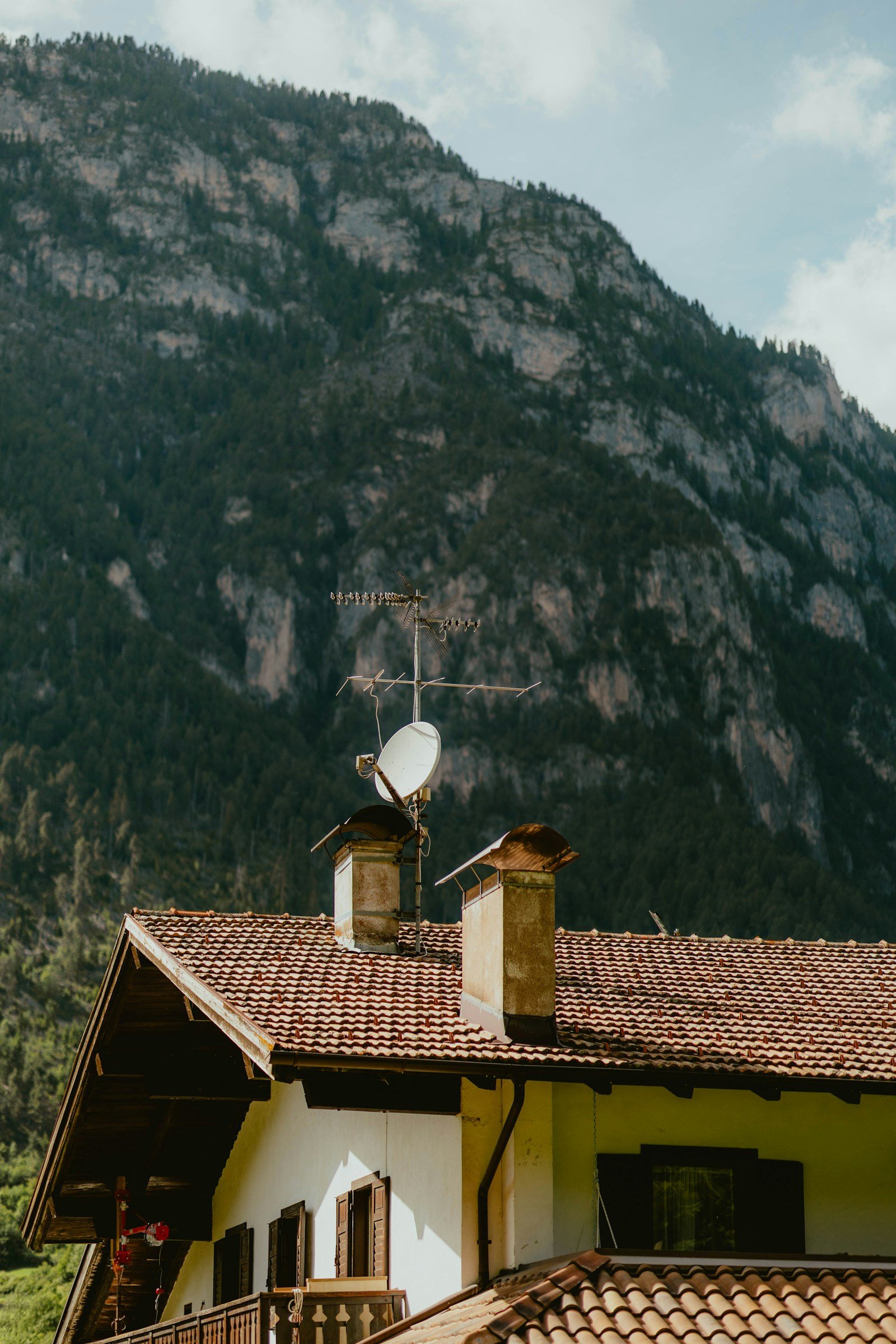
- Fixed wireless: local providers that carry the signal by antenna from a point with fibre. In many rural areas they’re the best alternative: ask your neighbours.
- Satellite: reaches almost anywhere. Geostationary satellites have high latency, which hurts video calls; low-orbit constellations offer much lower latency, at a higher price.
There are also public programmes to guarantee a minimum connection in areas without coverage.
Test before you sign up
Providers’ coverage maps are only a guide. What counts is what reaches your home, and even each room:
- Test with a phone using a SIM from each provider you can get hold of, inside and outside the house, at different times of day.
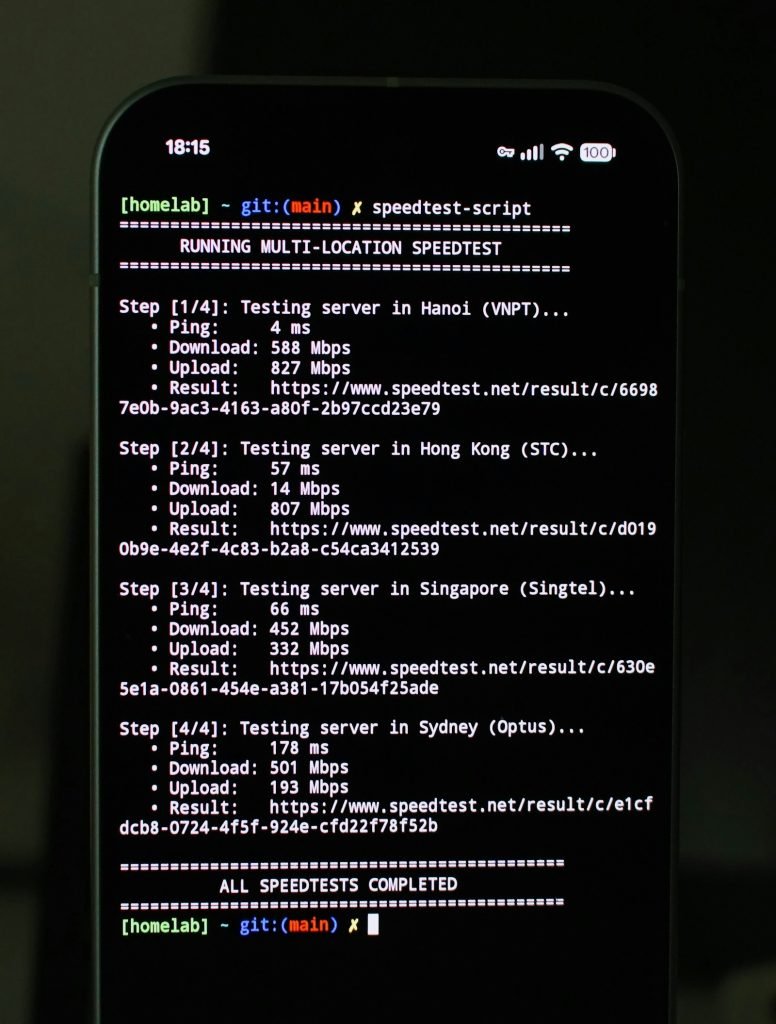
- Run speed tests and also pay attention to latency (ping): for video calls it matters more than speed.
- Ask your neighbours what connection they have and how it works for them. It’s the most reliable information you’ll get.
- If possible, sign up without a minimum term or with a trial period.
The plan B
In the countryside, the question isn’t whether the connection will fail one day, but what you’ll do when it does:
- Mobile data: a phone plan with enough data to share your connection is the simplest plan B.
- A second line: if you depend heavily on the connection, combining two technologies (for example, fixed wireless and 4G) gives you real redundancy.
- Offline work: keep important documents synced to your computer so you can keep working and send things once the connection is back.
Electricity matters too
Short power cuts are common during storms. A small UPS (uninterruptible power supply) for the router and the fibre or antenna equipment keeps you connected for a while, long enough to finish a video call or save your work. It also protects your devices from power surges.
Small tricks
- Place the router high up and in a central spot, away from thick stone walls.
- In stone houses, a mesh wifi system or a network cable to your office saves a lot of trouble.
- If you use 4G/5G, try pointing the antenna or router towards the nearest mast.
- Keep your provider’s details and fault line number on paper: without internet you won’t be able to look them up.
In short
Working from the countryside is perfectly possible if you choose your connection well, test it before committing and have a plan B.